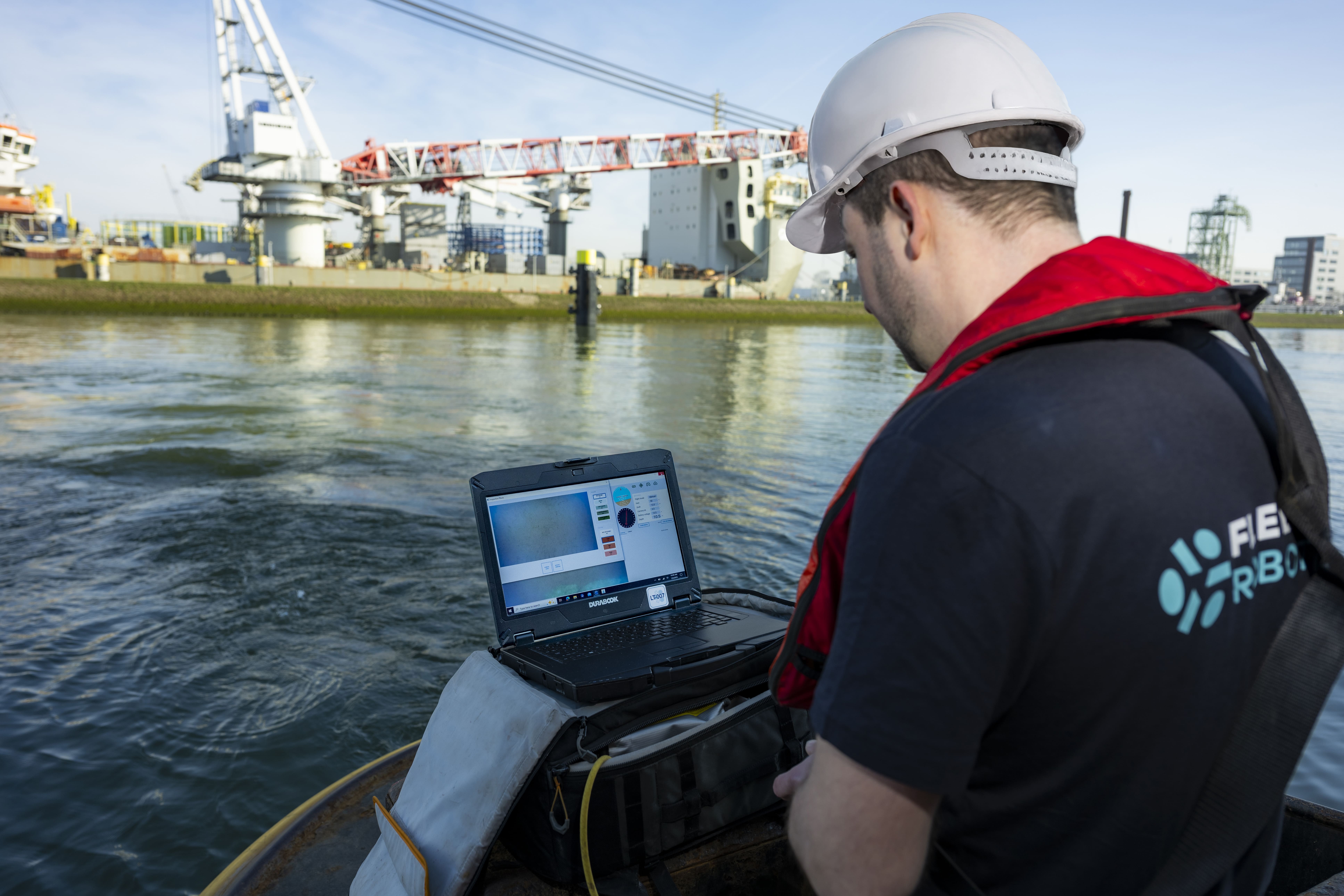
Fleet Robotics is not your typical workplace. The company plays an essential role in maintaining seagoing vessels, keeping them ready for sea and for their time in port. It does this through specialist inspection and cleaning services, some of it carried out by robots, operated remotely. The rest falls to a diving team, for the intricate jobs that only human hands can do. Behind the operation sits an organisation of around 100 employees, split across operational and corporate divisions. That means a wide mix of rotations and contract types. And that complexity is exactly what put workforce management on the agenda. For HR lead John van Etten, the need was clear: more clarity, more reliability, and more ease in the day-to-day, for managers and employees alike. Fleet Robotics found all three in the combination of Dyflexis and ADP.
Excel, manual work, and no clear picture
Before the switch, Fleet Robotics ran most things by hand. Leave and overtime lived entirely in Excel, which made them hard to keep track of, and managers had no central tooling. Handling ten different rotation types this way, from shift patterns to on-call employees and multi-week schedules, meant hours of digging and plenty of room for error. “Today I can pull together a clear picture of the skippers’ overtime in seconds. Back then, I didn’t even know where to start.” The need went beyond planning or HR alone. Fleet Robotics wanted one solution where shift scheduling, time registration and payroll came together in a way that fit how they work.

Dyflexis and ADP: a winning combination
Pairing Dyflexis and ADP was no accident. It was a conscious choice by Fleet Robotics. Dyflexis brought the flexibility their complex rotations, time registration and leave demanded. ADP brought confidence, as an experienced payroll partner operating internationally with strong HR capability. What stood out most, though, was the way the two worked together. Through the integration, the systems fit cleanly, and Fleet Robotics felt genuinely understood and at ease. The link runs seamlessly in daily use: add a new employee in ADP, and they appear automatically in Dyflexis. And because the consultants know both systems inside out, they support hands-on and get things done.
How it works in practice now
Today the process runs smoothly:
- Employees register their hours in the app
- Managers check and approve them
- The data flows straight to ADP
- Trial pay runs and checks ensure correct payout
What used to be scattered is now one clear way of working. Ten planning types, all managed inside a single system. That brings efficiency, and it brings transparency for employees too. Hours and leave are open and easy to access, and that creates a sense of fairness.
Clarity, Efficiency, and Ease
The impact shows right across the organisation:
- Clarity and speed
- Less manual work
- Tighter control for managers
- Increased transparency for employees
The time saved is substantial. For John it means roughly 25% less time on admin. That time now goes into more strategic HR work. Just as important, it has brought calm to the organisation. Managers have a firm grip, processes are clearer, and the focus is back on what the business does best.
“Visibility and speed have improved enormously since we started using this combination.”
The implementation set the tone for Fleet Robotics. They found it personal and practical, with real attention to setting up rotations, allowances and overtime. That thorough preparation built a solid base and limited errors after go-live. The aftercare felt just as engaged.
A human-first implementation as the foundation
“It’s saved me an enormous amount of time, and above all given me far more clarity.”
Fleet Robotics is now looking ahead. The goal is to centralise more processes and cut down on separate systems and documents, with performance management and onboarding across other departments next in line.
The foundation is firmly in place. For organisations juggling complex rotations and shift work, the verdict is clear: the combination was worth it.