
Falling purchasing power, rising costs and staff shortages put retailers under considerable pressure. At the same time, customers still expect fast service, full shelves and long opening hours. How do you stay competitive without giving up quality or margin? The answer isn't working harder, but scheduling smarter. Many costs that quietly eat into profit are easy to control. In this blog, we list smart ways to cut costs without sacrificing the customer experience or team satisfaction.
Overstaffing costs money
Retail suffers from extremely thin margins, so even small cost differences can have a big impact. According to the German Retail Federation (HDE), the average profit margin in German retail in 2024 was about 2.5%. That makes it practically impossible for businesses to schedule expensively. And yet many retailers quietly lose revenue through inefficient staff scheduling. Too many staff during quieter times seems harmless, but quickly leads to cost overruns.
Understaffing doesn't pay off either
Of course, you can save costs by deploying fewer staff. But understaffing, especially at peak times, doesn't pay off either. Too few staff lead to long lines, missed sales opportunities and frustrated customers. This is especially problematic in stores where the customer experience makes the difference.
This shows how important well-thought-out staff scheduling is. Understaffing leads to a poor customer experience, while overstaffing causes unnecessary costs. The solution is the right balance. How do you keep that balance between service and efficiency? We give you 6 tips to put cost efficiency into practice.
1. Schedule with real-time data
Use historical sales data and visitor numbers to plan peak times such as holidays, good weather or Sundays well in advance. That way, you schedule in a data-driven and optimal way, without having to rely on your gut feeling.
2. Automatic scheduling distributes shifts optimally
Not every person on the team is equally effective in every situation. You need to make sure you have not only enough employees on site, but also the right ones. Automatic scheduling tools for retail make sure all key positions are filled correctly. For example: experienced staff for customer advice, or an extra team lead during promotions.
3. Cut costs, but not at your team's expense
Automatic scheduling also makes sure retailers always stay within the Working Hours Act (ArbZG). Breaks, rest periods, overtime and wages are taken into account while the schedule is created. That way, you keep an eye on your budget, and also on your team's work-life balance. The best schedule doesn't help your business if your team doesn't like coming to work.
4. Let employees pick up open shifts
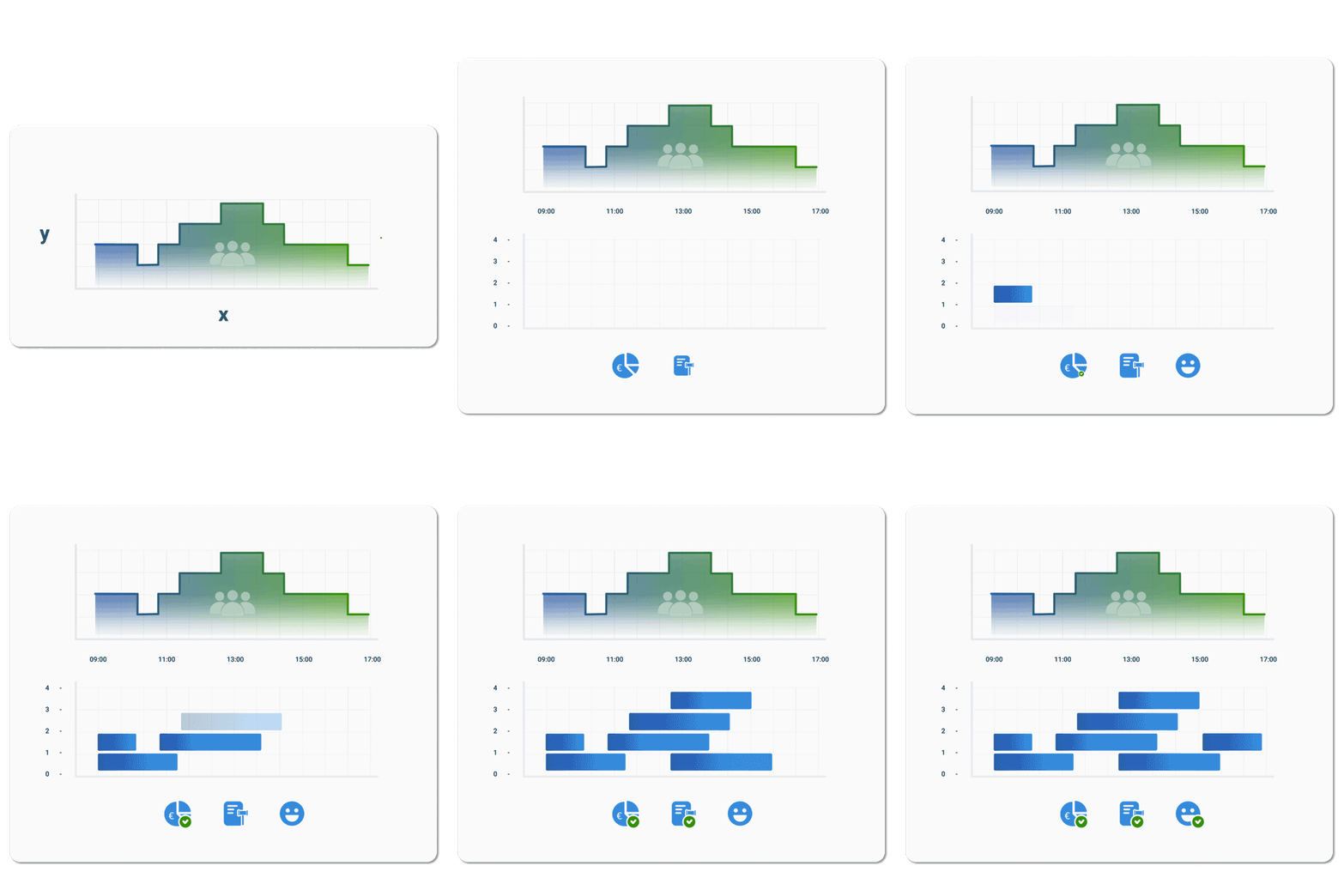
Does it get unexpectedly busy after all? Then you want to respond flexibly. With Dyflexis, you always have an overview of available staff and can quickly create open shifts. Motivated employees can then pick up open shifts in the handy app and offer support without any back-and-forth phone calls.
5. Connect staff costs directly to hours worked
A reliable overview of working hours is of course essential for retail, but not enough to really optimize costs. Only by connecting scheduling, time tracking and payroll do you get truly detailed insight into labor costs per store, warehouse or department. That way, you can stick to budgets and schedule more cost-efficiently.
6. Learn from the past
Good scheduling doesn't end with creating a schedule. Daily life in retail is often too busy to always compare the schedule with reality. That makes it all the more important to have really good analytics to spot recurring and expensive deviations. Is there regularly too much overtime or too much sick leave at certain times? With clear reports, you spot these patterns early, take them into account when scheduling and avoid them in the future.
German retail is under pressure, but whoever has a good grip on staff scheduling also has a grip on costs. It's no longer just about "work, work, work," but about strategic and data-driven scheduling. Because if you know what will happen in the store tomorrow, you can respond to it and stay one step ahead of others.
With a good Workforce Management system, you bring structure to the dynamic daily life of retail. Even when the pressure on retailers rises. Tools like staffing forecasts, automatic scheduling and targeted analytics then help you reduce costs and increase efficiency.


Discover the power of Dyflexis
Pick a time that works for you.
Free and without obligation, read how we handle your data in our privacy policy.


