
You hear more and more often that digitizing your scheduling processes can optimize and develop your hotel. We call this topic Workforce Management. But what exactly does it mean, and does it really fit your hotel? We explain it in five steps!
What is Workforce Management?
Workforce Management (WFM) is more than creating schedules digitally or recording working hours. It's a cyclical process made up of forecasting, capacity management, staff scheduling, daily management and reporting and analysis. By optimizing these five steps, you can unlock your hotel's full potential: you improve how you deploy your employees, save time and money and increase your team's satisfaction. The result? Your employees work more efficiently, and your hotel benefits from higher revenue.
To make it all clearer, we've shown our Workforce Management flow here. The inner circle shows the WFM cycle, and the outer circle shows how our software fits it perfectly.

1. Forecasting: how many guests can I expect?
The WFM cycle starts with a solid forecast. When you know how many check-ins, reservations or conference guests to expect, you can plan staffing accordingly. Forecasts are made at three levels:
Long term: a year or longer Medium term: a quarterly update of the long-term forecast Short term: last adjustments shortly before the staff schedule is created
You always create the forecast based on historical data. To guarantee an accurate forecast, the data you enter must be of good quality. The numbers must be correct and cleaned. It's best to filter out deviations from normal operations (e.g. unplanned disruptions). Then you map trends, which are often seasonal. These help you determine the expected workload in the future. That way, you know how much you need to produce, how many guests you can expect and what revenue you need to achieve.
2. Capacity management: how many staff do I need?
The forecast is translated into the capacity you need: how many employees do you need to handle the work? You take gross and net capacity into account, meaning the total availability of your employees minus vacation, breaks and absences. This is how you create your staff budget, in hours or costs. Together, we look at your processes and challenges to find the right solution.

3. Staff scheduling: how do I schedule efficiently?
Now it's about turning the capacity you need into a healthy and efficient schedule. This takes into account availability, contracts, costs and legal rules (e.g. rest periods), as well as your employees' skills. That way, you make sure the right number of employees is always on site to look after guests as well as possible.
4. Time tracking: what deviates from the forecast?
On the day itself, unexpected deviations often show up, such as higher occupancy or team members calling in sick. You need to respond quickly. Changes can be made easily and flexibly in the app to keep operations running smoothly.
Good daily managers make sure they have a plan for every unexpected event. Are you, on the other hand, always under pressure and busy working on last-minute solutions? Then your forecast wasn't accurate enough. You improve it through good reporting and analysis.
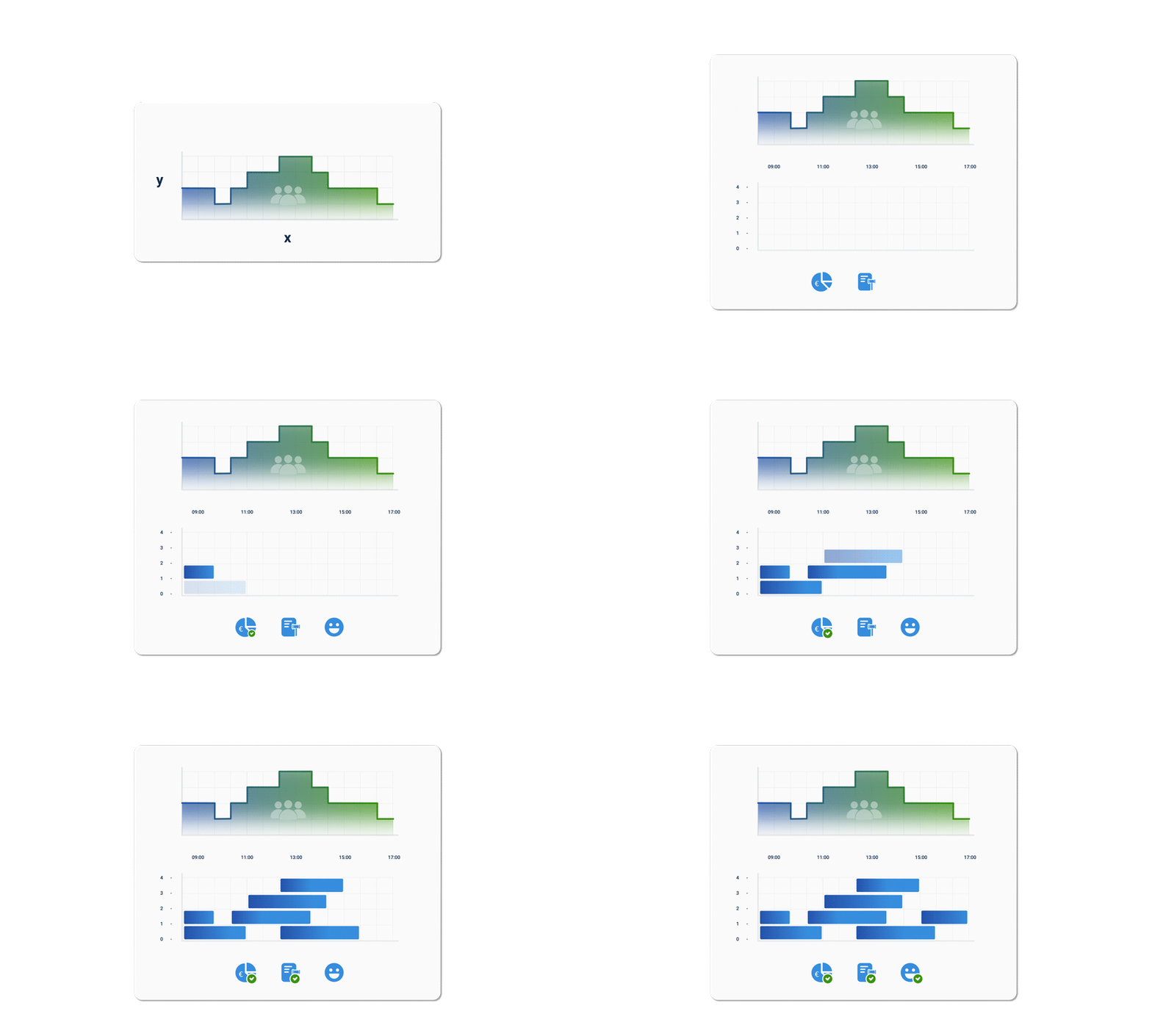
5. Reporting and analysis: how can I improve my forecasts and execution?
At the end of the cycle, you analyze the results: were the working hours worked as planned? How did productivity compare to staff costs? These reports provide valuable insights to make your forecasts and schedules even better in the future.
Is Workforce Management right for me?
Clearly: yes. Whether it's a small boutique hotel or a large resort, every hotel can benefit from a well-structured Workforce Management cycle. Do you need a system for it right away? That depends on the size of your hotel, the number of employees and the effort involved in scheduling and time tracking. From a certain size, though, a WFM system pays off by saving time and increasing efficiency.
Curious which Workforce Management solution fits your business? We're happy to advise you!


Discover the power of Dyflexis
Pick a time that works for you.
Free and without obligation, read how we handle your data in our privacy policy.


